






Bits, Buyers Guides, Education
Core Bit Buyer’s Guide
Jun
How to Choose the Right Core Bit for the Job
Introduction
Choosing the right core bit is not just about getting through the material. It is about protecting the surface, improving drilling speed, extending tool life, and helping the job move forward with fewer delays.
For fabricators, installers, countertop professionals, and tile contractors, the wrong diamond core bit can create chipping, slow drilling, premature wear, overheating, or poor hole quality. The right bit helps create clean openings for faucets, soap dispensers, air switches, plumbing fixtures, electrical penetrations, and specialty installations while reducing the risk of unnecessary rework.
Whether you are drilling granite, quartz, quartzite, porcelain, marble, engineered stone, Dekton, or other ultra-compact surfaces, selecting the proper core bit is one of the most important decisions you can make before drilling begins.
What is a diamond core bit?
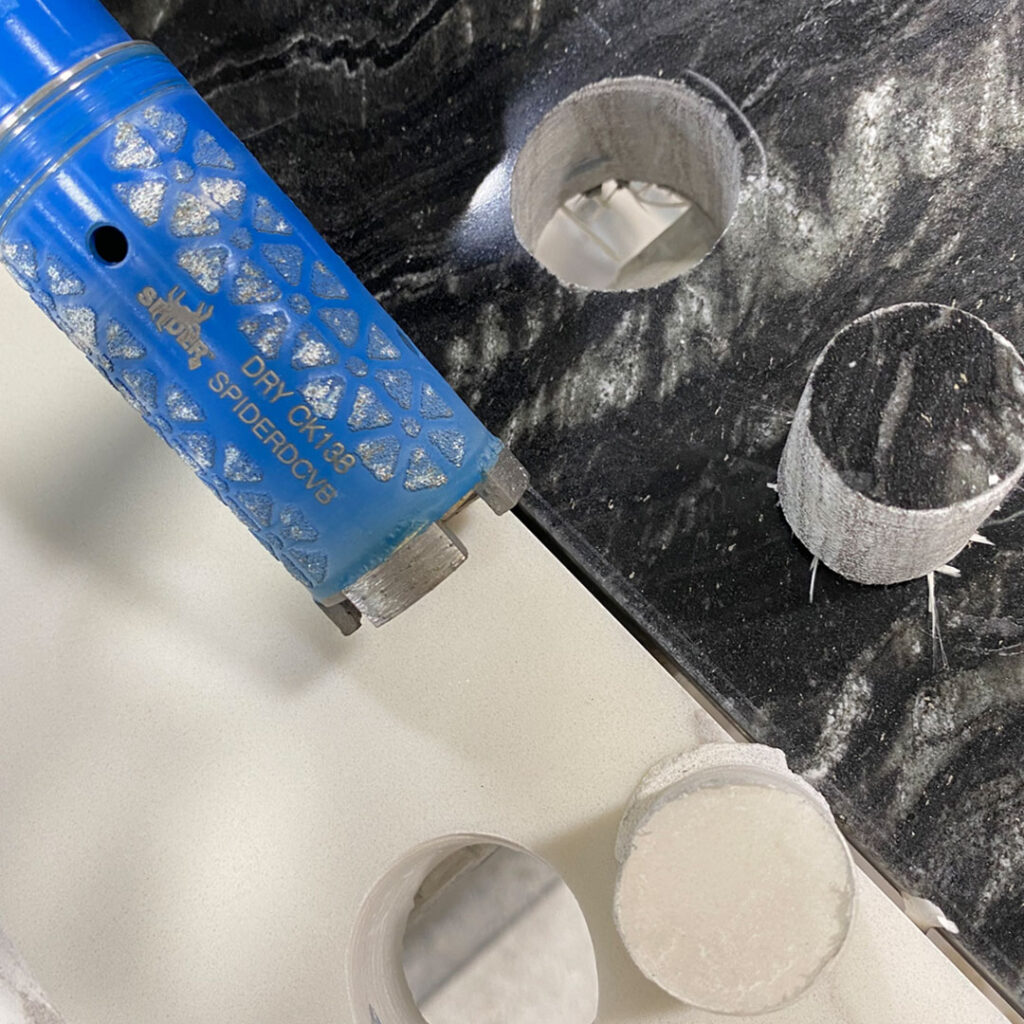
A diamond core bit is a cylindrical drilling tool designed to create clean, precise holes in hard materials such as stone, porcelain, ceramic, engineered surfaces, and ultra-compact materials.
Unlike traditional drill bits that remove the entire material surface, a core bit cuts only the perimeter of the hole. This reduces resistance, improves drilling efficiency, and produces cleaner results.
Common Core Bit Applications
• Faucet installations
• Soap dispenser installations
• Air switch openings
• Water filtration faucets
• Reverse osmosis systems
• Plumbing penetrations
• Electrical openings
• Commercial fixture installations
• Tile and stone fabrication
Why Core Bit Selection Matters.
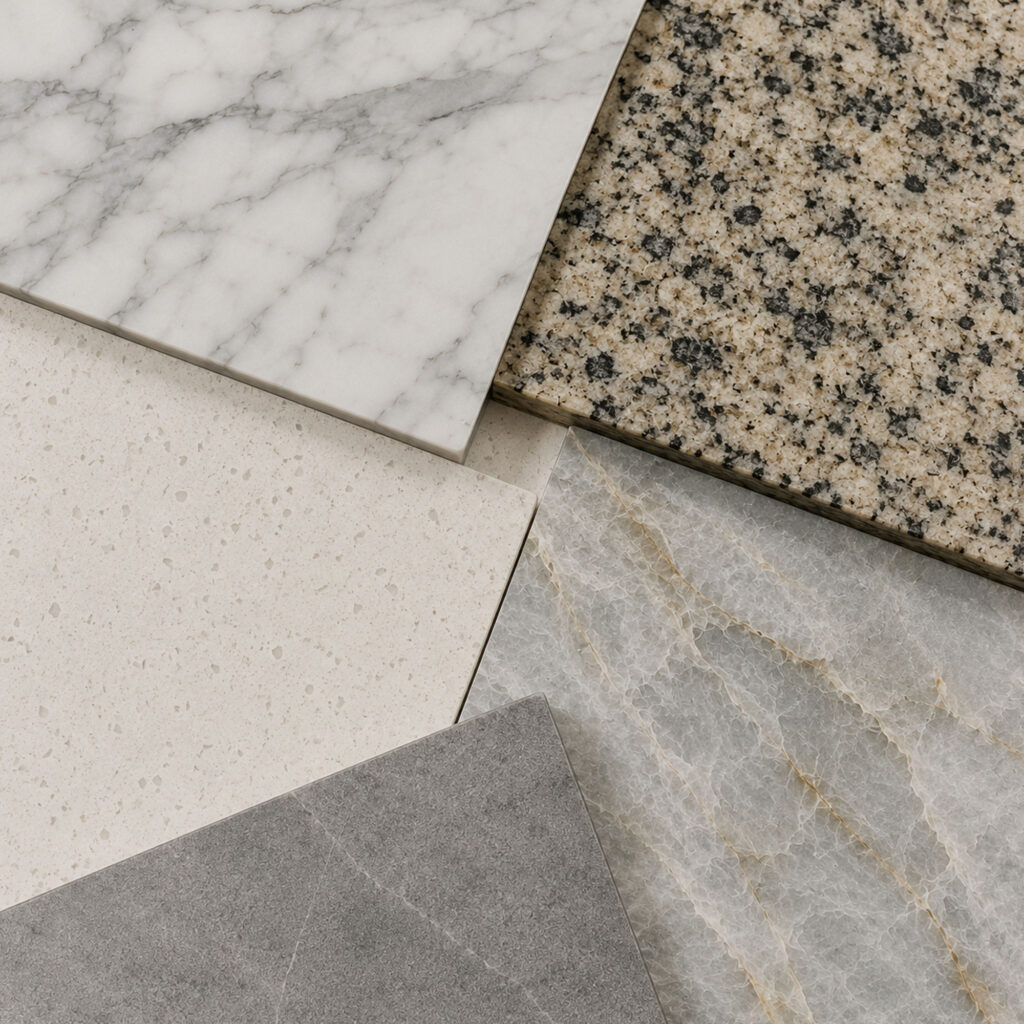
Different materials respond differently to drilling. Granite, quartz, quartzite, marble, porcelain, engineered stone, Dekton, and other ultra-compact surfaces each have their own hardness, density, and drilling characteristics.
A bit that performs exceptionally well on one material may not be the best choice for another. Some jobs require wet drilling for cooling and longer bit life. Others require dry drilling because water is not practical on-site.
Choosing the correct core bit helps achieve:
• Cleaner holes
• Better drilling speed
• Reduced heat buildup
• Longer tool life
• Less chipping and blowout
• More consistent hole quality
• Fewer job delays
• Reduced material waste
Material Hardness and Drilling Difficulty
Different materials place different demands on your drilling equipment.
Material
Marble
Granite
Quartz
Porcelain
Quartzite
Ultra-Compact Surfaces
Drilling Difficulty
Easy
Moderate
Moderate-Hard
Hard
Very Hard
Extremely Hard
Recommended Method
Wet or Dry
Wet Preffered
Wet Preffered
Wet or Dry
Wet Preffered
Application Specific
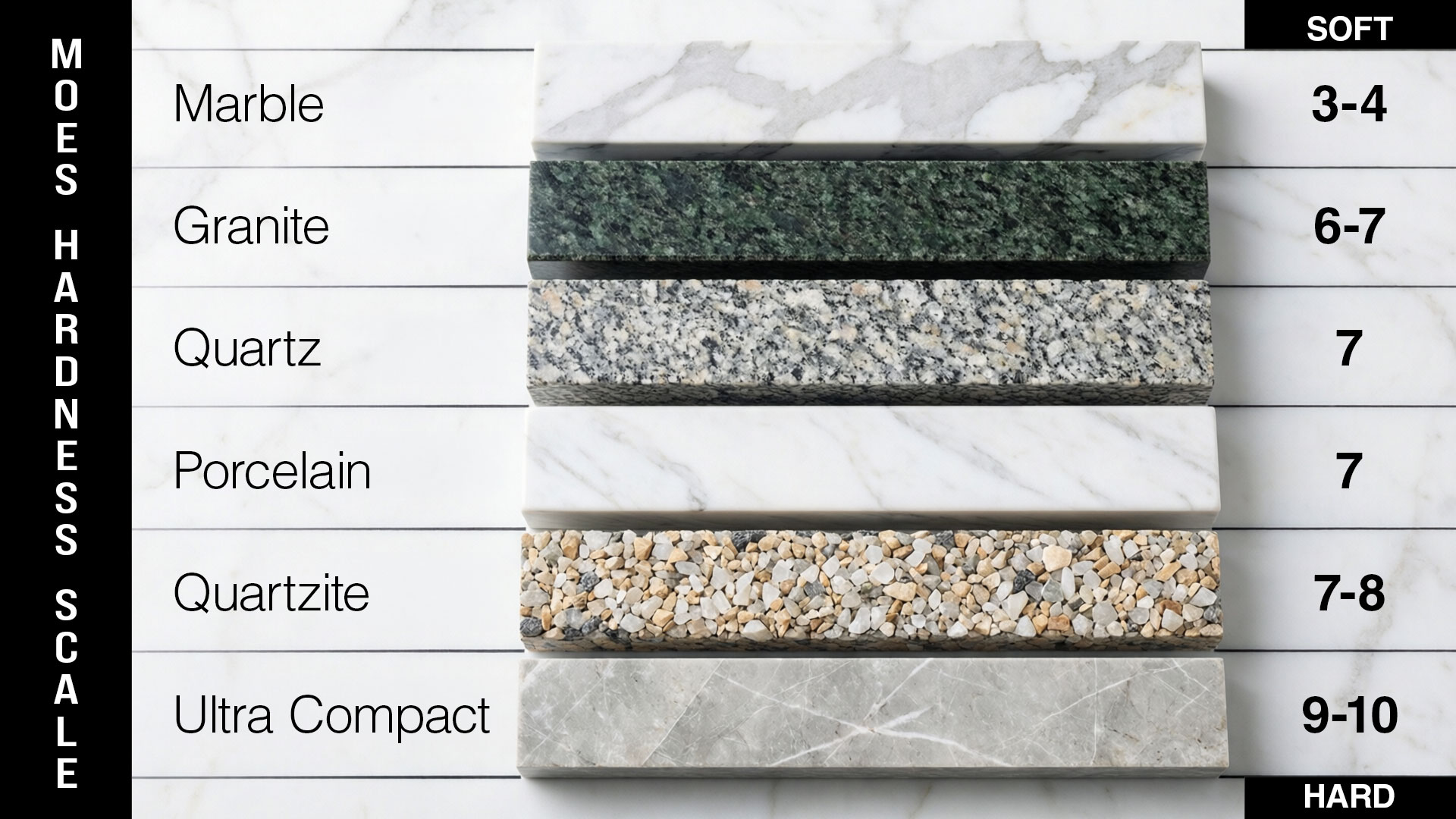
Core Bit Materials Guide
The first question to ask is simple:
What material are you drilling?
Material should always guide your core bit selection.
Nikon’s coring category allows customers to shop by application, helping fabricators find products optimized for their material and drilling requirements.
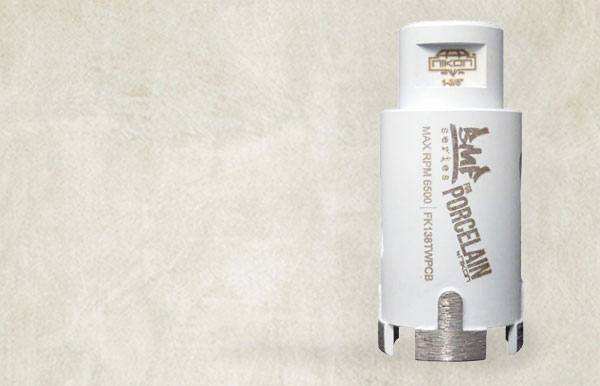
Porcelain
Porcelain surfaces require precision and controlled drilling to minimize chipping and maintain clean hole quality.
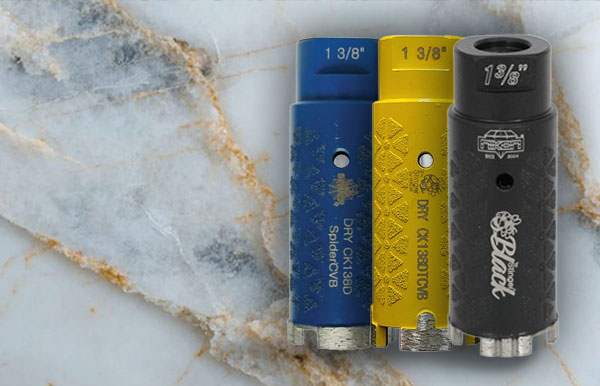
Quartz
Quartz countertops require a balanced combination of speed, precision, and clean hole quality.
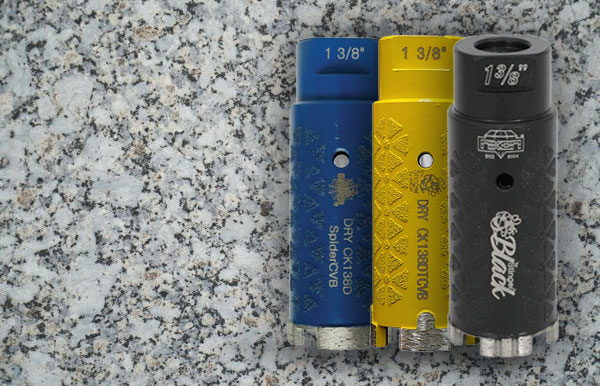
Granite
Granite’s density requires durable diamond tooling capable of maintaining drilling performance and hole quality.
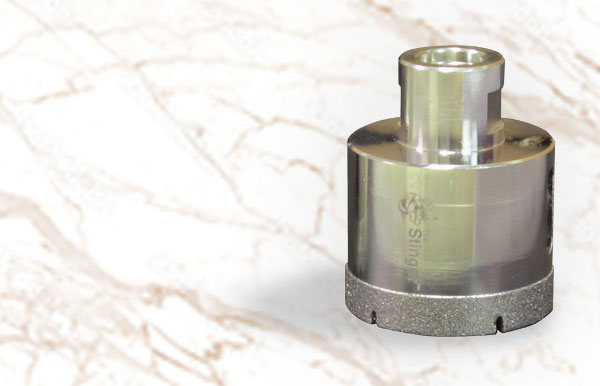
Marble
Marble benefits from controlled drilling techniques that help protect delicate finished surfaces.
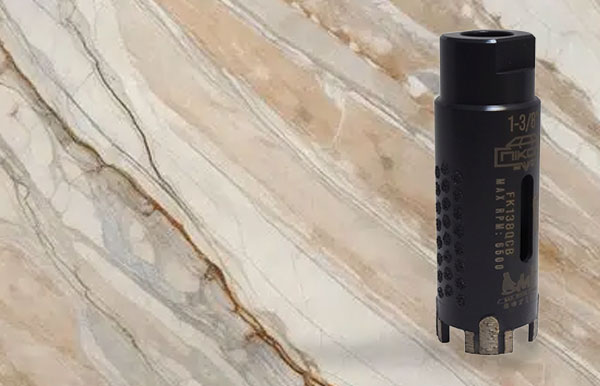
Quartzite
Quartzite demands premium drilling performance due to its exceptional hardness and density.
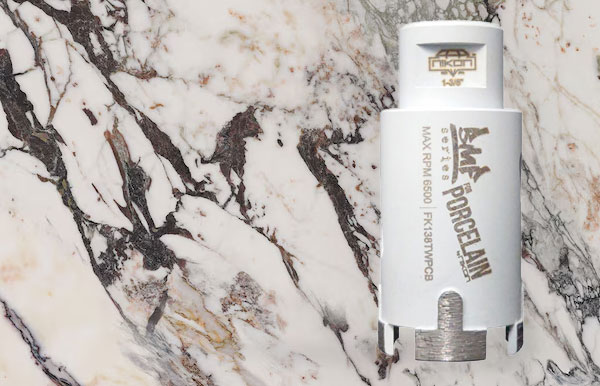
Ultra-Compact Surfaces
Ultra-compact materials require careful bit selection and proper drilling techniques to maximize success.
Core Bit Size Guide
Choosing the proper diameter is just as important as choosing the right core bit.
Below is a common size chart based on industry standards. Be sure to consult the manufacturers suggested hole size or local code to ensure a proper fit of the item being installed.
Application
Soap Dispenser
Air Switch
Water Filtration Faucet
Reverse Osmosis Faucet
Standard Faucet Hole
Commercial Faucet Openings
Shower Valve Openings
Plumbing Penetrations
Electrical Penetrations
Application
1-1/4in
1-1/4in
1-3/8in
1-3/8in
1-3/8in
1-3/8in
Varies
Varies
Varies
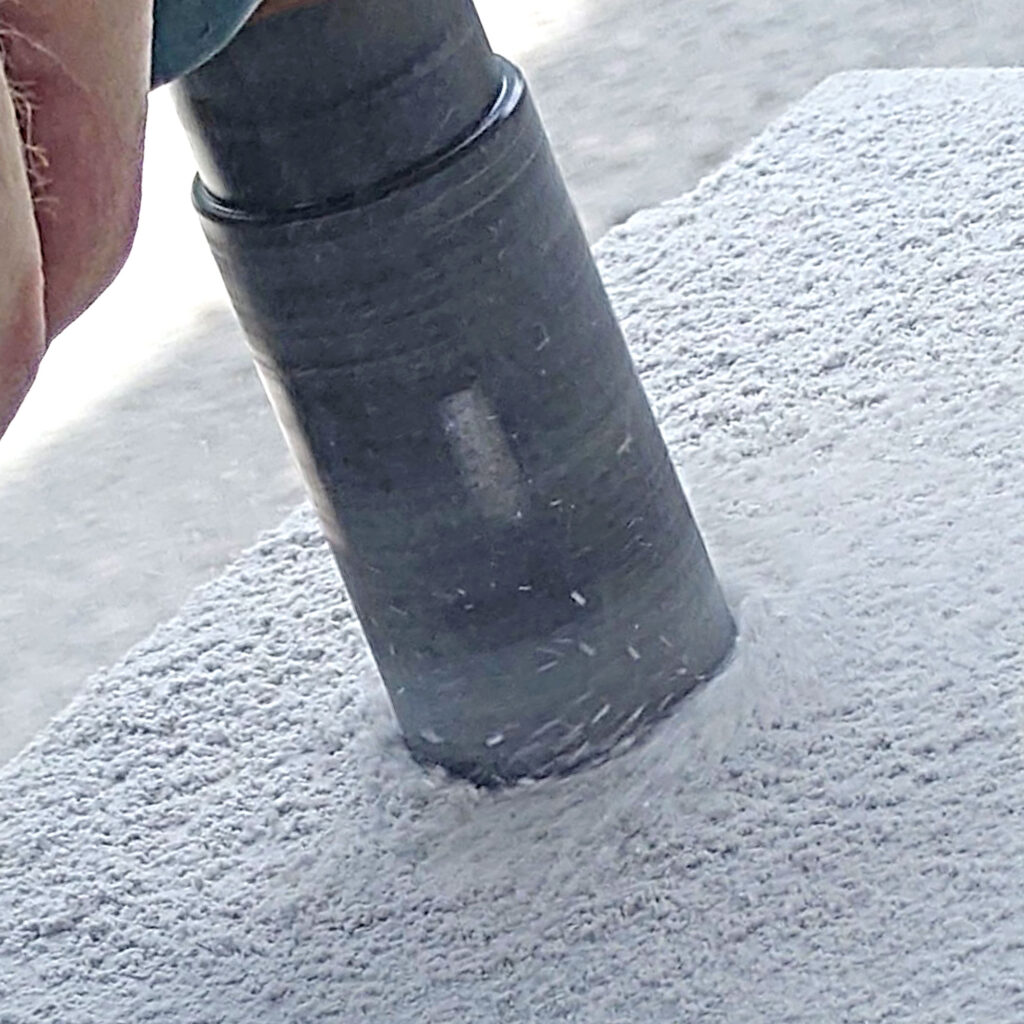
Understanding Wet vs. Dry Core Drilling
After selecting the material, the next question is whether the application requires wet drilling or dry drilling.
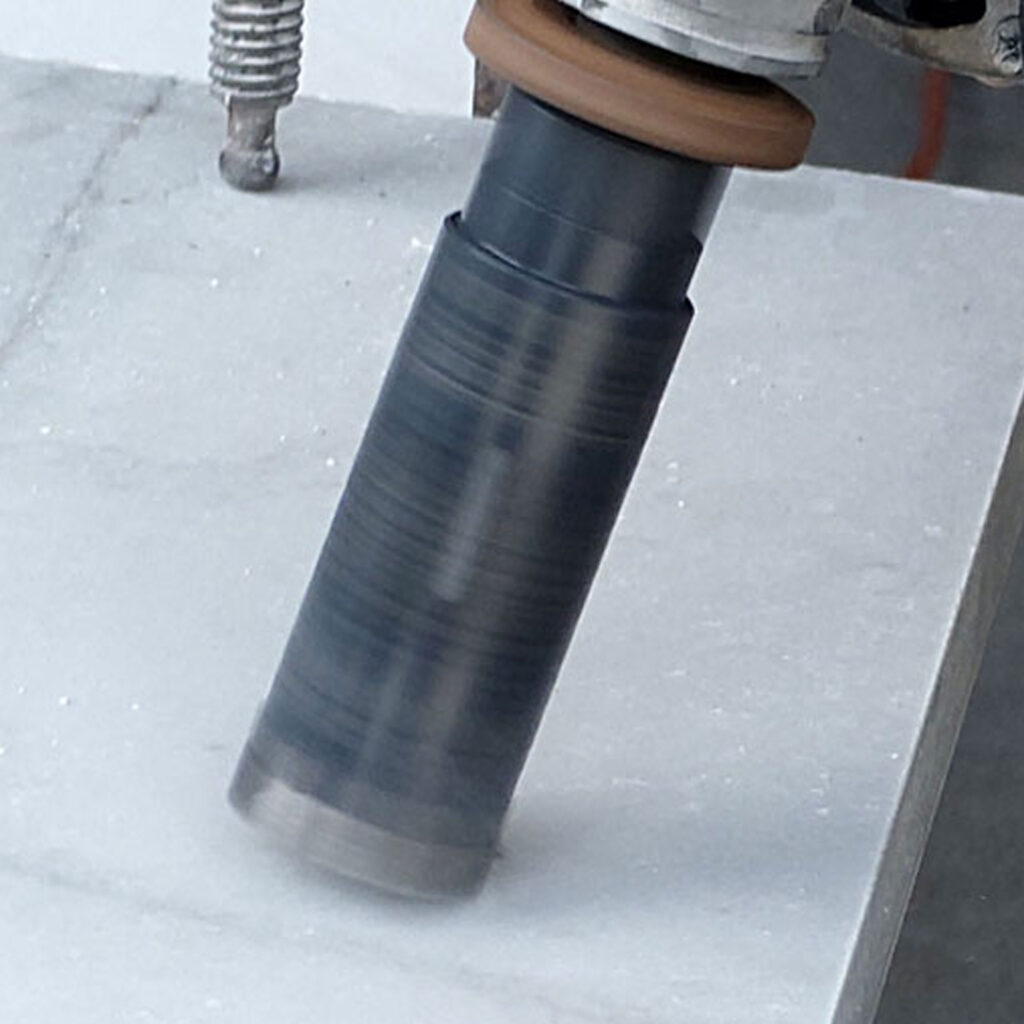
Wet drilling uses water to cool the bit, reduce friction, control heat, and extend tool life.
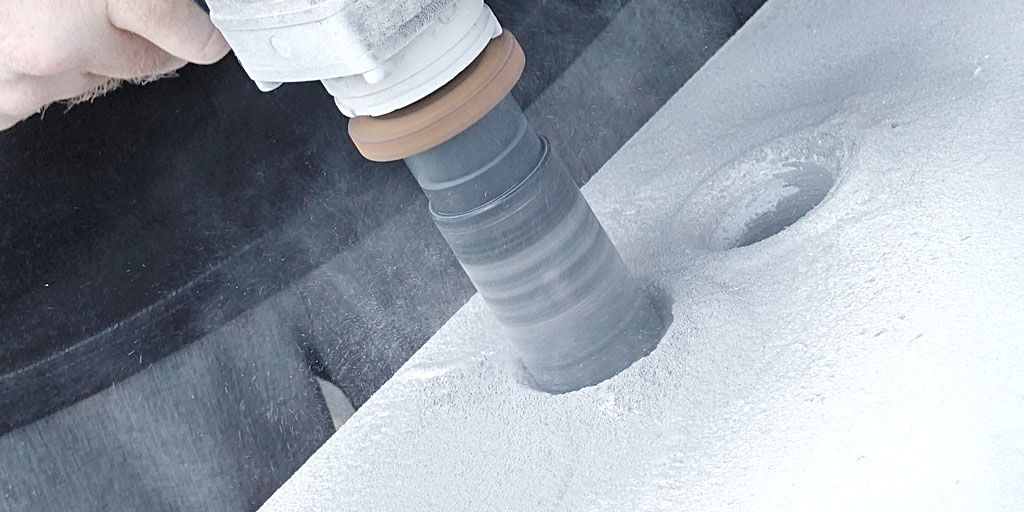
Dry drilling is commonly used for field installations, service work, quick setups, and situations where water is not practical.
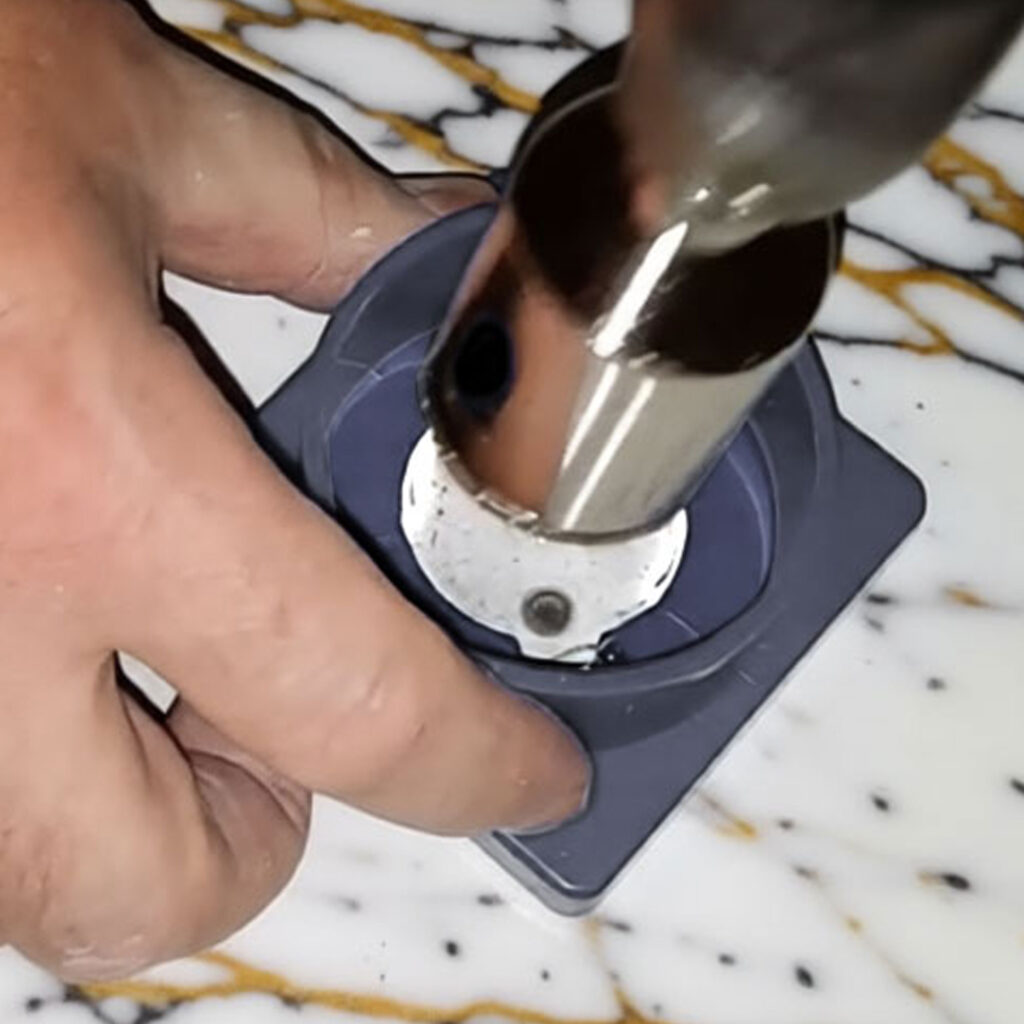
Wet Drilling
• Better cooling
• Reduced heat
• Cleaner drilling
• Extended bit life
• Ideal for harder materials
Dry Drilling
• Faster setup
• Greater portability
• Convenient field use
• Reduced cleanup
• Excellent for many installation applications
Professional Core Drilling Tips
• Start at a slight angle to reduce bit walking
• Let the diamonds do the work
• Avoid excessive pressure
• Maintain steady RPM
• Use water whenever practical
• Keep drilling areas clean
• Inspect bits regularly for wear
• Match drill speed to material hardness
Common Mistakes When Choosing A Core Bit
Many drilling problems result from selecting the wrong bit for the application.
Common mistakes include:
• Using the wrong bit for the material
• Selecting based solely on price
• Ignoring wet versus dry requirements
• Applying excessive pressure
• Using incorrect RPM
• Continuing to use a worn-out bit
Signs You May Need A Different Core Bit
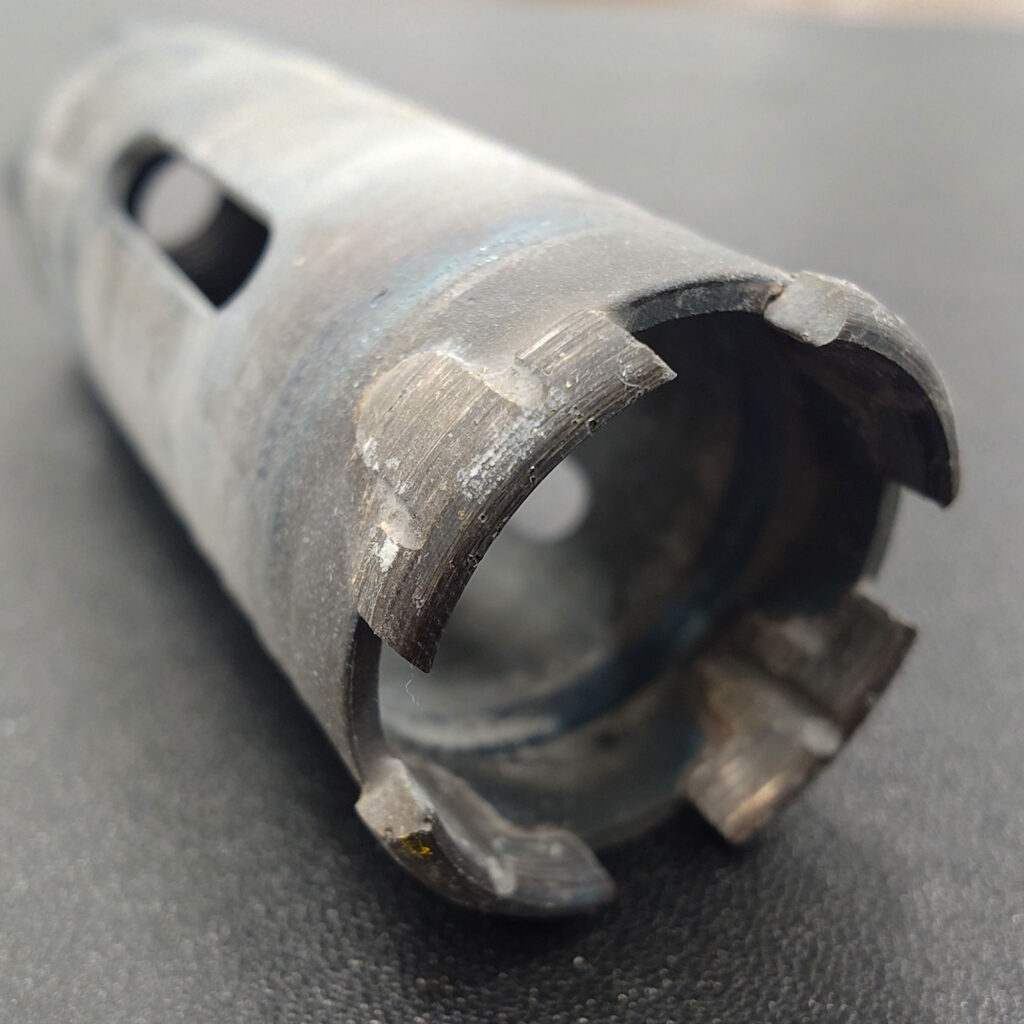
Your current core bit may not be ideal if:
• Drilling takes longer than expected
• Hole edges are chipping
• The bit overheats regularly
• Surface cracking occurs
• Bit life is unusually short
• Finished holes appear rough or inconsistent
Frequently Asked Questions
Many premium diamond core bits can successfully drill both granite and quartz, though performance will vary depending on bit design and drilling method.
Whenever practical, water improves cooling, reduces heat buildup, and helps extend tool life.
Tool life depends on material hardness, drilling technique, RPM, cooling, and bit quality.
Overheating is often caused by excessive pressure, improper RPM, insufficient cooling, or using the wrong bit for the material.
Certain vacuum-brazed and dry drilling core bits are specifically designed for dry porcelain drilling applications.
Final Takeaway
The right core bit helps protect the material, improve drilling speed, reduce wear, and produce cleaner finished holes.
Whether you are drilling granite, quartz, quartzite, marble, porcelain, engineered stone, Dekton, or another ultra-compact surface, selecting the proper bit before the job begins can save time, reduce waste, and improve overall results.
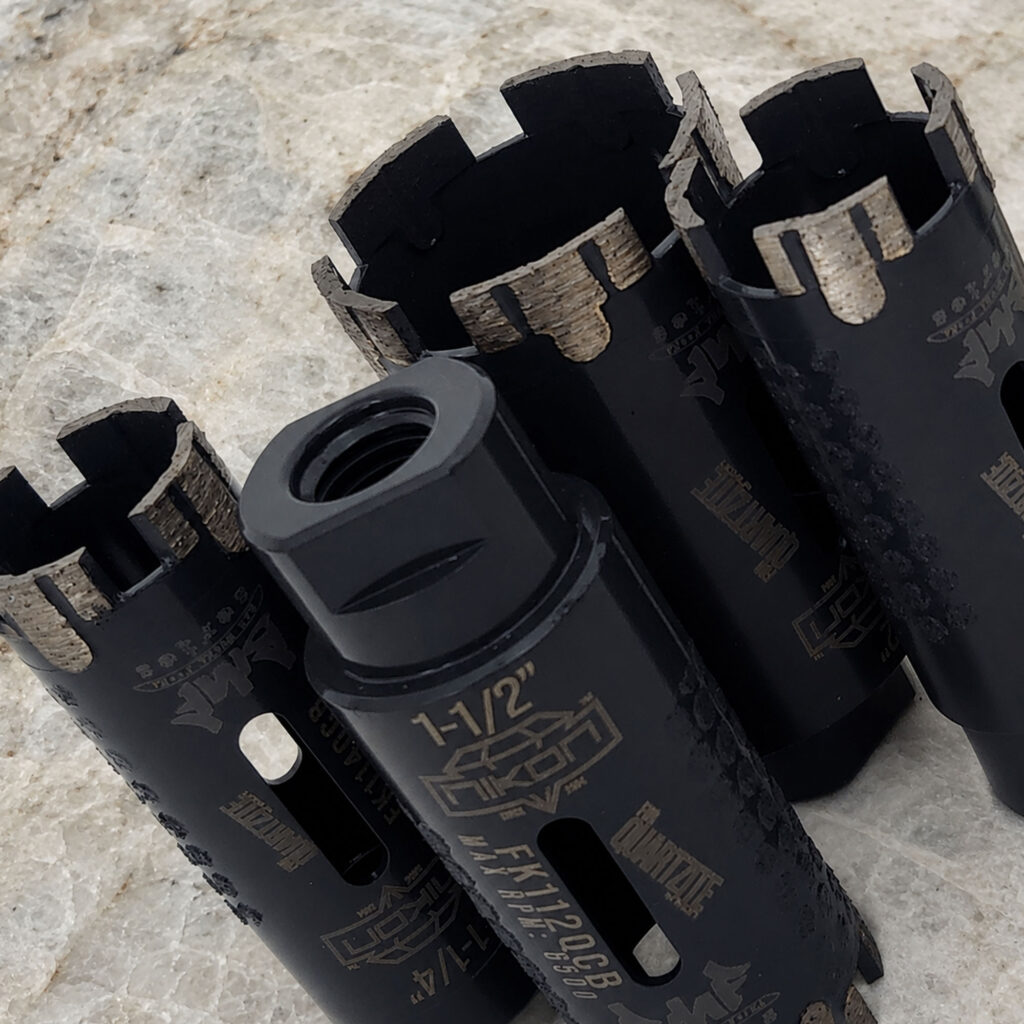
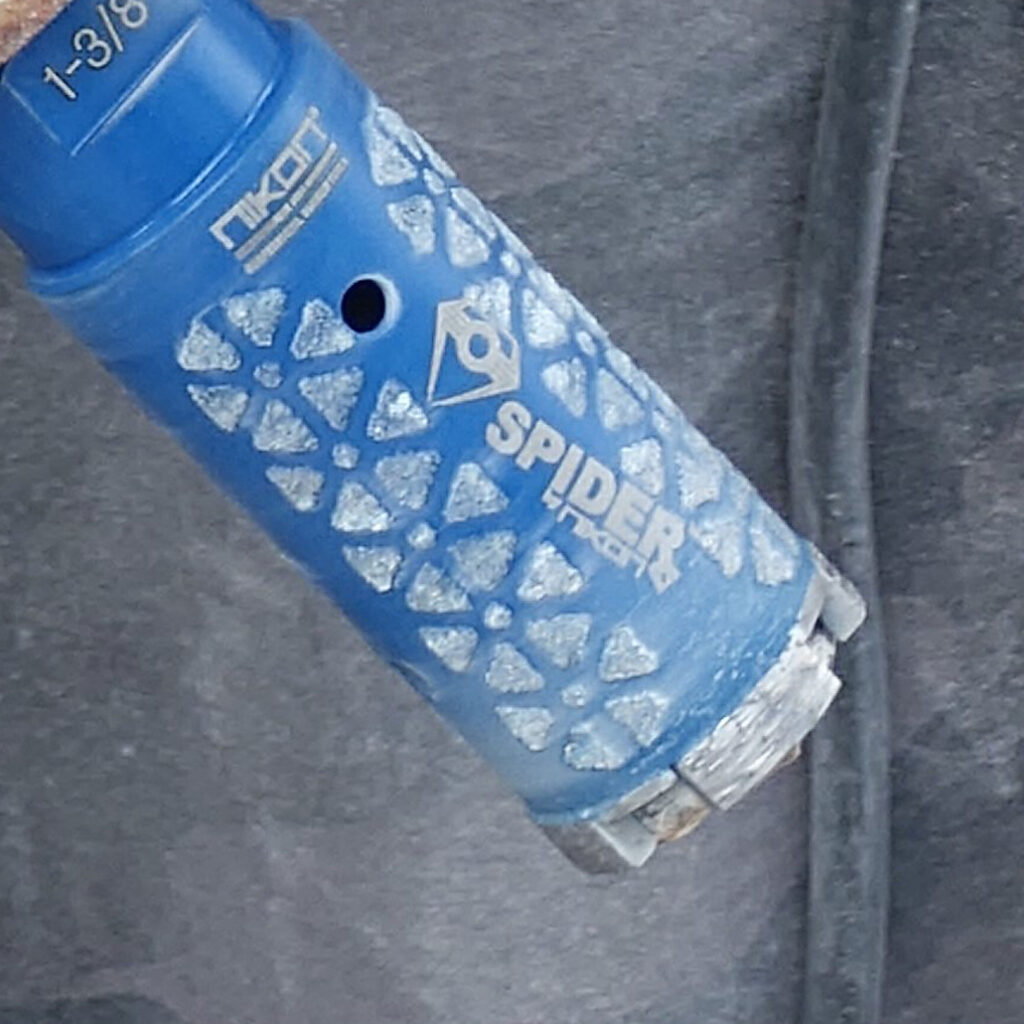
Nikon Diamond Tools offers professional coring solutions for virtually every drilling application, including STINGER™, STINGER™ BLACK, SPIDER™, BMF Series™, and ZAK™ products.